

We find the right treatment to get you out of pain and moving again.
Upper East Side Manhattan, New York, NYStem Cell Injections
Bone marrow concentrate (BMAC) and adipose-derived stem cell-based injections deliver a concentrated mixture of your body’s repair-supporting cells and growth factors into injured or damaged tissue to help support and enhance the body’s natural healing processes. Dr. Drew DeMann, DC, MA, MSN, FNP-BC, RMSK, GCSRT, and the integrated group of board-certified specialists provide stem cell injections to support healing of conditions that involve the musculoskeletal system. To learn more about this treatment, call the office on the Upper East Side of Manhattan in New York City, or schedule a consultation online today.
Stem Cell Injections Q&A
-
At Manhattan Health, “stem cell injections” refer to cell-based regenerative therapies that use your body’s own tissue to support healing and reduce pain. While true laboratory-expanded stem cell treatments are not widely available outside of clinical trials, today’s regenerative medicine focuses on minimally manipulated, cell-rich preparations taken directly from the patient.
The two most common and clinically supported approaches are:
• Bone Marrow Concentrate (BMAC)
A small sample of bone marrow is taken—typically from the pelvic bone—and processed to concentrate a mixture of repair-supporting cells, growth factors, and biologically active proteins. This concentrated solution is then injected into the injured area to help promote tissue recovery and reduce inflammation.• Adipose-Derived Cell-Based Injections
A small amount of fat tissue is collected and processed to obtain a cell-rich fraction containing structural cells and healing-signaling molecules. These cells can assist in supporting tissue repair when injected into damaged joints, tendons, or ligaments.These treatments aim to enhance the body’s natural healing response, offering a non-surgical option for patients seeking alternatives to long-term medications, steroid injections, or invasive procedures. They are often used for arthritis, tendon injuries, ligament sprains, and chronic musculoskeletal pain.
-
Cell-based regenerative treatments, including bone marrow concentrate (BMAC) and adipose-derived injections, may benefit a variety of musculoskeletal conditions where tissue repair and inflammation control are needed. These therapies are most often used for:
• Osteoarthritis (mild to moderate)
Supports joint health, reduces inflammation, and may improve mobility in the knees, hips, shoulders, and other joints.• Tendon Injuries
Commonly used for rotator cuff injuries, tennis elbow, Achilles tendinitis, and other chronic or persistent tendinopathies.• Ligament Sprains and Partial Tears
Including MCL and ACL sprains, ankle sprains, and other ligament injuries that cause instability or ongoing discomfort.• Chronic Joint or Soft Tissue Pain
Helpful for patients whose pain persists despite physical therapy, activity modification, or other conservative care.• Overuse and Sports-Related Injuries
Provides added healing support for muscle strains, repetitive stress injuries, and other activity-related conditions.These treatments are typically recommended for patients seeking non-surgical options to reduce pain, improve function, and promote the body’s natural healing response. A comprehensive evaluation at Manhattan Health helps determine whether a regenerative therapy is appropriate for your specific condition.
-
At Manhattan Health, cell-based regenerative treatments such as bone marrow concentrate (BMAC) and adipose-derived injections follow a careful, structured process designed to ensure safety, precision, and comfort. While each treatment is tailored to the patient, the procedure typically includes the following steps:
1. Comprehensive Evaluation
Your provider begins with a detailed assessment, including imaging when appropriate, to determine whether a regenerative injection is the right option for your condition.2. Preparation and Local Anesthesia
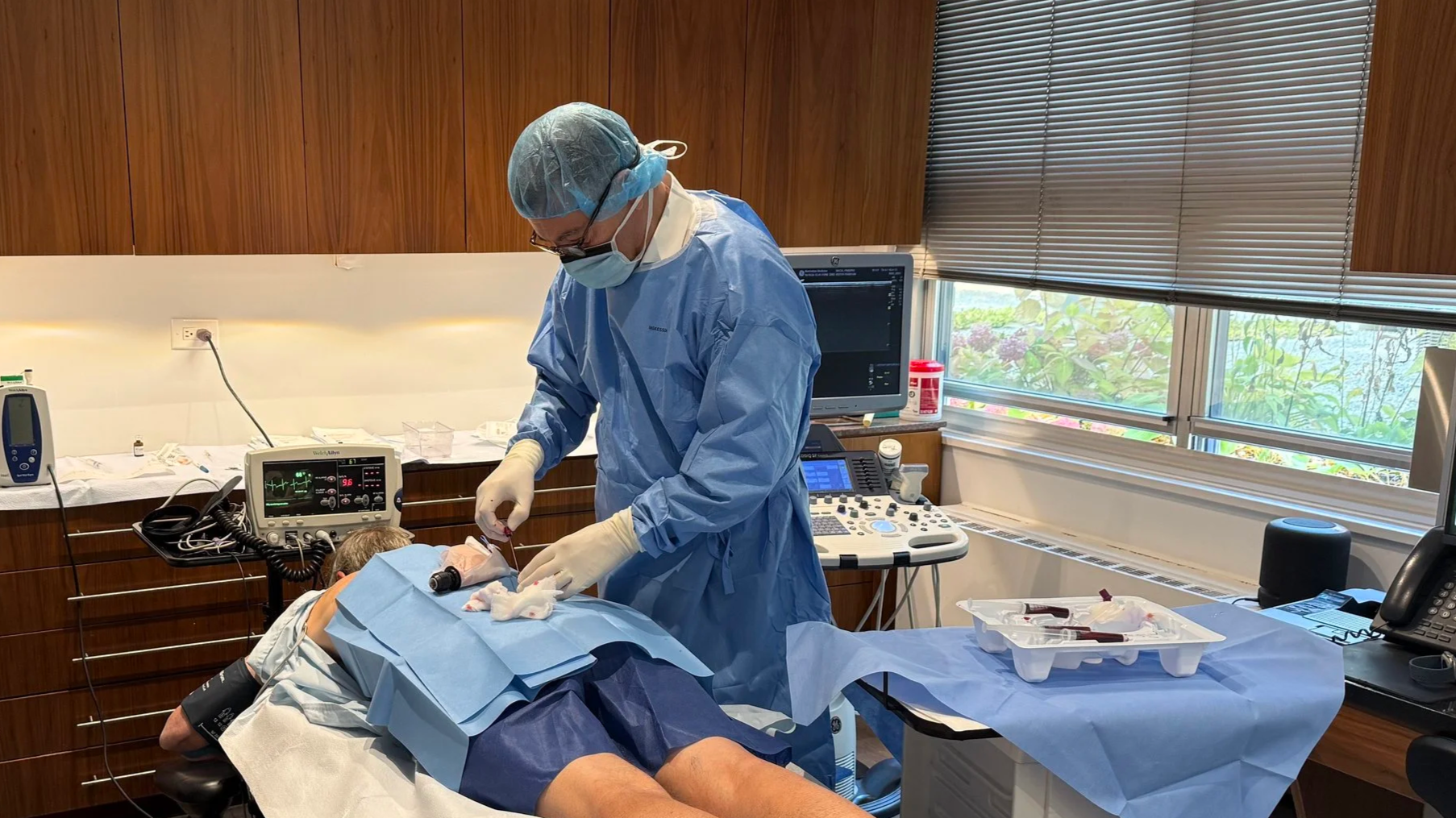
The procedure area is cleaned and numbed using local anesthesia to keep you comfortable throughout the process. Most patients remain awake and relaxed.3. Collection of Your Tissue
Depending on the type of treatment:BMAC: A small sample of bone marrow is gently collected from the back of the pelvis.
Adipose-Derived: A small amount of fat tissue is collected using a minimally invasive technique.
4. Processing the Sample
The collected tissue is placed into a specialized system that concentrates the cells, growth factors, and biologically active components involved in healing.5. Image-Guided Injection
Using ultrasound or fluoroscopy guidance, your provider injects the concentrated cell-based preparation precisely into the injured or inflamed area—such as a joint, tendon, or ligament—to support targeted healing.6. Recovery and Aftercare
Mild soreness is normal, and your provider will outline activity guidelines, rehabilitation recommendations, and follow-up needs.These procedures typically take 2 - 3 hours, depending on the treatment type, and are designed to enhance the body’s natural repair mechanisms while minimizing downtime.
Call our office and we will help you to schedule a consultation to see if this is the right plan of care for you.